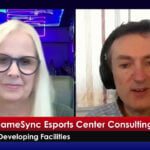
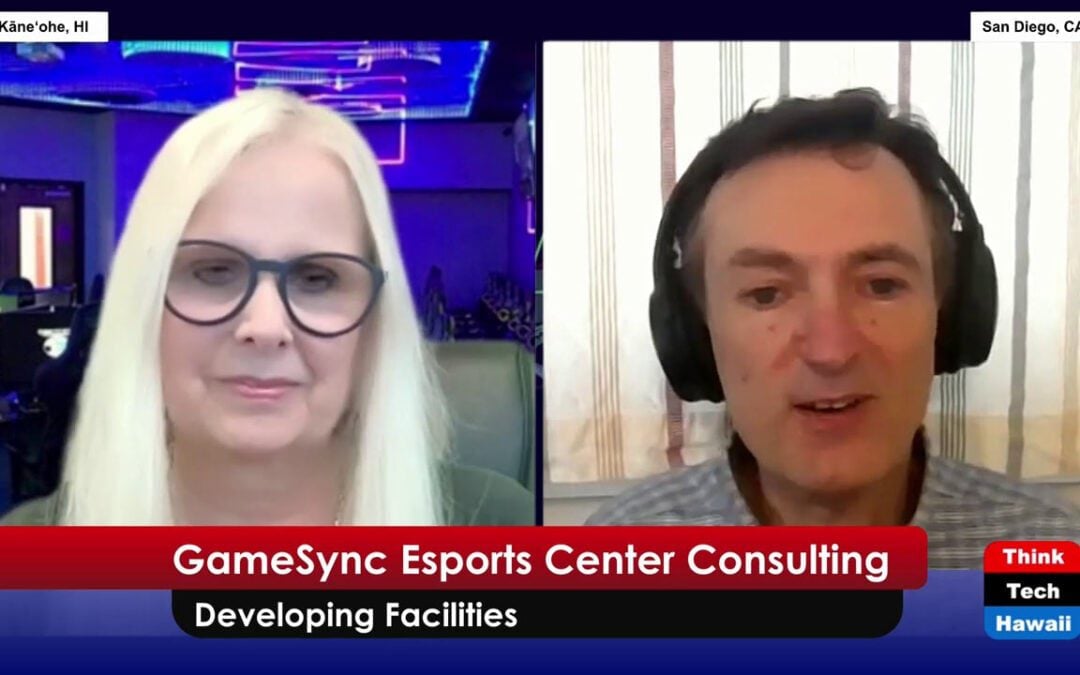
In the dynamic world of esports, few have witnessed its evolution as closely as Agragati Siegel, founder and CEO of GameSync. In a recent interview on “Wide World of Esports,” host Catherine Noor sat down with Agragati to discuss the origins of GameSync, the challenges and opportunities of running an esports center, and the exciting future of the industry. Below is a written account of their conversation.
From Technical Support to Esports Pioneer
Agragati shared the origin story of GameSync, explaining that the brand was born out of a technical support company she started in San Diego back in 1999. In 2012, after traveling across Asia and observing the meteoric rise of esports and competitive gaming, Agragati pivoted his business. He opened a purpose-built facility specifically designed for gaming—one of the first of its kind in San Diego. This early investment proved prescient, as by 2013 the term “esports” became a buzzword and the industry grew exponentially.
Observing the ups and downs of various gaming centers, Agragati realized that success in this industry required more than just a physical location and good equipment. “There needed to be a framework and a better vision to understand how communities work,” he explained. This insight led him to launch GameSync Consulting in 2017, a consultancy that helps new and existing centers optimize operations, expand revenue streams, and navigate the unique challenges of the esports environment.
Understanding the Esports Venue
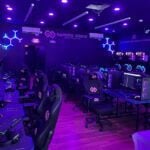
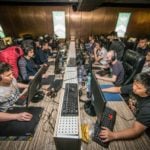
One of the key observations Agragati made was that the esports center is far more than a modern-day internet café. While early centers in the 1990s offered basic computer access and email, today’s esports venues are complex digital hubs and flex spaces. They’re built not only for competitive gaming but also to serve as community centers where people can connect, socialize, and engage in educational programs.
Agragati described the transformative power of titles like League of Legends, which created team-based dynamics and helped shift the focus from individual gaming to collaborative competition. “With a game like League, you have a team of five. It’s not just about the gameplay—it’s about body language, chemistry, and team building,” he noted. This change highlighted the importance of community and physical presence, factors that have continued to drive the industry forward.
Technology: The Backbone of a Successful Center
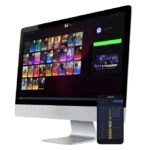
A recurring theme in the conversation was the importance of technology and infrastructure. Agragati emphasized that many gaming centers have struggled—or even failed—because they did not deploy efficient IT systems. For example, instead of relying on outdated local setups where each computer booted individually, modern centers benefit from systems that boot onto a central server using web-based, cloud-managed software such as CC Boot and networking solutions from companies like Zyxel.
“Gaming centers today must treat their business as an IT project through and through,” Agragati remarked. Seamless software updates, robust networking, and integrated management systems are not just conveniences; they are necessities that ensure gamers can walk in, start playing immediately, and enjoy a high-performance experience without interruptions.
Adapting and Innovating in a Changing Landscape
The discussion also covered how the esports industry has evolved through the challenges of COVID-19. Pre-pandemic, Agragati’s calendar was full of consultations and center launches. Although there was a dip during lockdowns, the post-COVID era has seen a robust rebound. Moreover, the increasing online viewership of esports has driven more gamers to seek the in-person experience offered by physical centers.
Innovation extends beyond just gaming. Agragati highlighted creative revenue streams such as branded merchandise, food and beverage concessions, and even the installation of Bitcoin ATMs to generate passive income. “Think of your center like a movie theater—on weekends, when people line up outside for a premiere, concessions play a huge role in your income model,” he explained. This multifaceted approach is helping center owners maximize both their return on investment and community engagement.
The Importance of Design and Branding
When it comes to outfitting an esports center, quality and branding are crucial. Agragati advises center owners to invest in high-quality equipment, such as custom-built PCs, ergonomic gaming chairs, and durable furniture that reflect the center’s own brand. Rather than simply opting for big-name brands, he suggests creating a unique identity through custom design and branded décor that resonates with the local gaming community. “Show your customers something they can’t get at home—a unique setup that speaks to the quality and character of your center,” he said.
Marketing in the Esports Era
Effective marketing is another essential element for success. Agragati recommends that gaming centers start with a solid digital foundation—a well-designed website that not only informs but also excites potential customers about what the center has to offer. Building an email newsletter, engaging on social media, and partnering with local businesses are all strategies that can help drive community interest and attendance. For Agragati, the digital presence is an extension of the physical space, working together to create a comprehensive and immersive brand experience.
Looking Ahead: The Future of Esports Centers
When asked about the future, Agragati sees esports centers evolving into versatile flex spaces that incorporate education, competitive tournaments, and casual play. “We’re going to see parents dropping off their kids for after-school esports practices, just like they would for traditional sports,” he predicted. The trend toward integrating educational components with recreational gaming is set to transform these venues into vital community hubs that support both professional development and personal enjoyment.
Connect with GameSync Consulting
For those interested in opening or revamping an esports center, Agragati offers his extensive experience through GameSync Consulting. Whether you’re a small business owner, a school, or part of a larger institution, he provides guidance on everything from technology deployment to marketing strategy. You can learn more by visiting gamesync.consulting (this website) or simply searching for GameSync Consulting online.
Final Thoughts
The interview with Agragati Siegel provides a deep dive into what it takes to succeed in the evolving landscape of esports centers. His blend of technical expertise, creative innovation, and community-focused strategy serves as a blueprint for anyone looking to make a mark in the esports industry. As esports continues to grow and evolve, visionary leaders like Agragati are paving the way for a new era of digital and physical integration in gaming.
We invite you to watch the full video here:
Below is a transcript of the full conversation:
[Intro Music Plays]
Catherine Noor (Host):
Welcome to World of Esports—the show devoted to all things esports. I’m your host, Catherine Noor, and today my guest is Agragati Siegel, the founder and CEO of the GameSync family of companies. Our topic today is GameSync Esports Consulting. Welcome, Agragati.
Agragati Siegel (Guest):
Hi, thank you so much for having me. I’ve been a big fan of yours for many years, and I appreciate the opportunity to share my journey and insights with the tech and esports communities.
The Origins of GameSync
Catherine:
You have some really interesting companies. Let’s start with GameSync. What is GameSync exactly?
Agragati:
GameSync was born out of a technical support company I started in San Diego, California, back in 1999. In 2012, I pivoted to gaming and esports. I had been traveling around Asia and witnessed the rise of esports and competitive gaming there—it hadn’t really hit the U.S. yet. So, I opened a purpose-built, first-to-market facility in 2012, and by 2013, the term “esports” became the big buzzword. It’s been growing ever since.
Over time, I noticed that many gaming centers would open and then eventually close. I wondered why that was happening. Looking at my own experience running a center and comparing it with others, I realized that there needed to be a framework and a clearer vision about how communities work. Building on that experience, I launched GameSync Consulting a few years later. Since 2017, I’ve been helping businesses—both new and existing centers—open up, grow their revenue streams, and explore different opportunities. Gaming centers and physical locations have evolved, especially after COVID, and I’m here to help people navigate that journey in the gaming world.
Early Days of Esports
Catherine:
Let’s go back a bit to the early days—around 2011 or 2012 when esports was just emerging. Was it even called esports then?
Agragati:
No, the term wasn’t really used at that time. When I opened my center in 2012, I was trying to figure out what people were looking for. I noticed that access to fiber, high-quality internet, and quality equipment was essential. But even more than that, the social gaming aspect and community were critical draws. It’s similar to eating at home versus going to a restaurant—after a while, you want the experience of being out and socializing.
Then in 2013, with the rise of League of Legends, things really took off. League created a team dynamic—a team of five—and shifted the focus from individual gaming to an experience involving body language, chemistry, and team building. We’d see influencers like Jordan “n00b” Gilbert, a famous Counter-Strike player, coming in to play. Word of mouth spread quickly, and that net effect was huge. It was the start of something much bigger.
The Role of Technology and Infrastructure
Catherine:
You mentioned that many gaming centers failed initially. What were the primary reasons for that, and what tips would you give for success?
Agragati:
A lot of it comes down to technology and infrastructure. My technical background showed me that many centers were not deploying efficient IT and information systems. For instance, consider the gaming PCs: do you buy them from a retail provider or build your own? What about the servers? Many centers still run with each computer booting individually from local drives, which creates problems when updating games. When customers come in and have to wait for updates, it hurts the experience.
Today, using software like CC Boot to have PCs boot from a centralized server—and managing the network with tools like Zyxel’s single-pane-of-glass interface—ensures a seamless experience for gamers. A solid IT infrastructure is absolutely critical; gaming centers are not the cybercafés of the 90s. They need to offer instant, high-quality service so that players can just walk in and start playing without delay. It’s also about creating additional revenue drivers and opportunities for passive income. That’s the framework I help center owners build.
Before, During, and After COVID
Catherine:
How have esports centers changed before, during, and after COVID?
Agragati:
From my perspective as a consultant, things were really booming before COVID—especially in 2019, my phone was ringing off the hook. During COVID, some clients did open their centers despite the challenges, though the number of consultation calls dropped significantly. However, as soon as restrictions lifted, calls resumed at pre-COVID levels.
The increased online viewership of esports also means that more people are looking for a physical space where they can enjoy the gaming experience together. In short, the overall market has grown even larger post-COVID.
Revenue Opportunities and Innovation
Catherine:
You mentioned passive income. Does that include merchandise and food/beverage offerings?
Agragati:
Absolutely. Beyond traditional revenue streams like concessions, there’s merchandise, which ties into the branding of your business. For example, I have an online merchandise store at gamestick.gg where fans can buy shirts, jerseys, and other items. Also, creative revenue streams—like installing Bitcoin ATMs at your center—can provide a steady, passive income.
Think of your center like a movie theater: on weekends you might have a long line at the door, and concessions become a major income source. Whether it’s through branded merchandise or concessions, the key is to diversify your revenue streams.
Equipment and Branding
Catherine:
What about the physical setup? Would you advise investing in professional esports chairs and custom furniture?
Agragati:
Yes, definitely. When purchasing equipment like chairs, tables, and other furniture, you want to maximize your ROI with top quality products. I’m not a big fan of just using big-name brands like Alienware in the center. Instead, I recommend having your own branded equipment that reflects your center’s identity. For example, custom-built PCs with unique cases, or branded ergonomic chairs that don’t sag after six months—these details make a big difference in a commercial setting compared to a home setup.
I even have a vetted list of partners on my website to help center owners source high-quality, custom equipment. It’s all about showing customers a unique experience they can’t replicate at home.
Game Selection and IT Infrastructure
Catherine:
Do you recommend focusing on certain games in a particular center?
Agragati:
Each community will have its own game preferences, especially on the PC side. My strategy for center owners is to start by being flexible—be prepared to purchase games on demand. Most of the games that people play today are free-to-play, which helps avoid licensing issues. However, for popular commercial titles, you might need to purchase licenses. With the right IT platform in place, a counter attendant can quickly install a requested game on a server so that every computer in the center can access it. This approach shows your community that you’re responsive to their needs.
Marketing Your Esports Center
Catherine:
How do you recommend centers approach marketing? What channels work best for a smaller gaming center?
Agragati:
I built my businesses starting with a strong website—I’ve been a web developer for many years. Your website is the foundation: it should clearly communicate what makes your center attractive, from the design and atmosphere to the events and community you’re building.
From there, extend your marketing efforts with social media, an email newsletter, and partnerships with local businesses. Traditional digital marketing methods refined for a niche gamer audience can be extremely effective. It’s all about creating a cohesive digital presence that complements the physical experience in your center.
Turning Around a Struggling Center
Catherine:
There are shows where a consultant helps turn around a struggling business. Can you help a gaming center that isn’t doing well?
Agragati:
Yes, I’ve done turnaround work for centers that were doing okay but needed a change. Often it’s a matter of realizing early enough that you need to pivot. Once you change the model—whether by updating technology, rebranding, redesigning the logo and website, or introducing new activities like after-school education—the results can be dramatic. I’ve seen transformations where businesses have increased revenue by 400–500% over time. It is a lot of work, but the right changes make all the difference.
The Future of Esports Centers
Catherine:
What do you think the future holds for esports centers?
Agragati:
I see esports centers evolving into true flex spaces. We’re likely to see a bigger educational component—imagine parents dropping off their kids after school for esports practices, much like traditional sports training. In addition, there will continue to be competitive tournaments and casual play, along with events that bring the community together.
These venues will be critical to the broader integration of esports in our society, and I’m very passionate about helping businesses get set up for long-term success.
Closing
Catherine:
Fantastic. I’m sure many viewers are interested in working with you. How can they get in touch?
Agragati:
The easiest way is to visit my website at gamesync.consulting. You can also simply Google “GameSync Consulting” or “GameSync,” and you’ll find several of our businesses. While we do offer various services, GameSync Consulting specifically focuses on esports center development for new facilities as well as existing ones, whether they’re run by individual business owners or larger institutions.
Catherine:
Terrific. This has been incredibly helpful. Thank you so much, Agragati, for joining us today and sharing your insights.
Agragati:
Thank you, Catherine. It’s been a pleasure. Keep up the great work with the show!
Catherine:
And thank you to our viewers for tuning in. Make sure to join us next week when our guest will be Kelly Uyoka. Until then, take care!
[Outro Music Plays]
End of Transcript